
Two ways to enjoy the same visual problem

Digital vs physical jigsaw puzzles: what actually changes?

A physical puzzle offers touch, a shared table and real cardboard pieces. A digital puzzle offers instant setup, portability, flexible piece counts and optional tools. The better format is the one that fits the session.
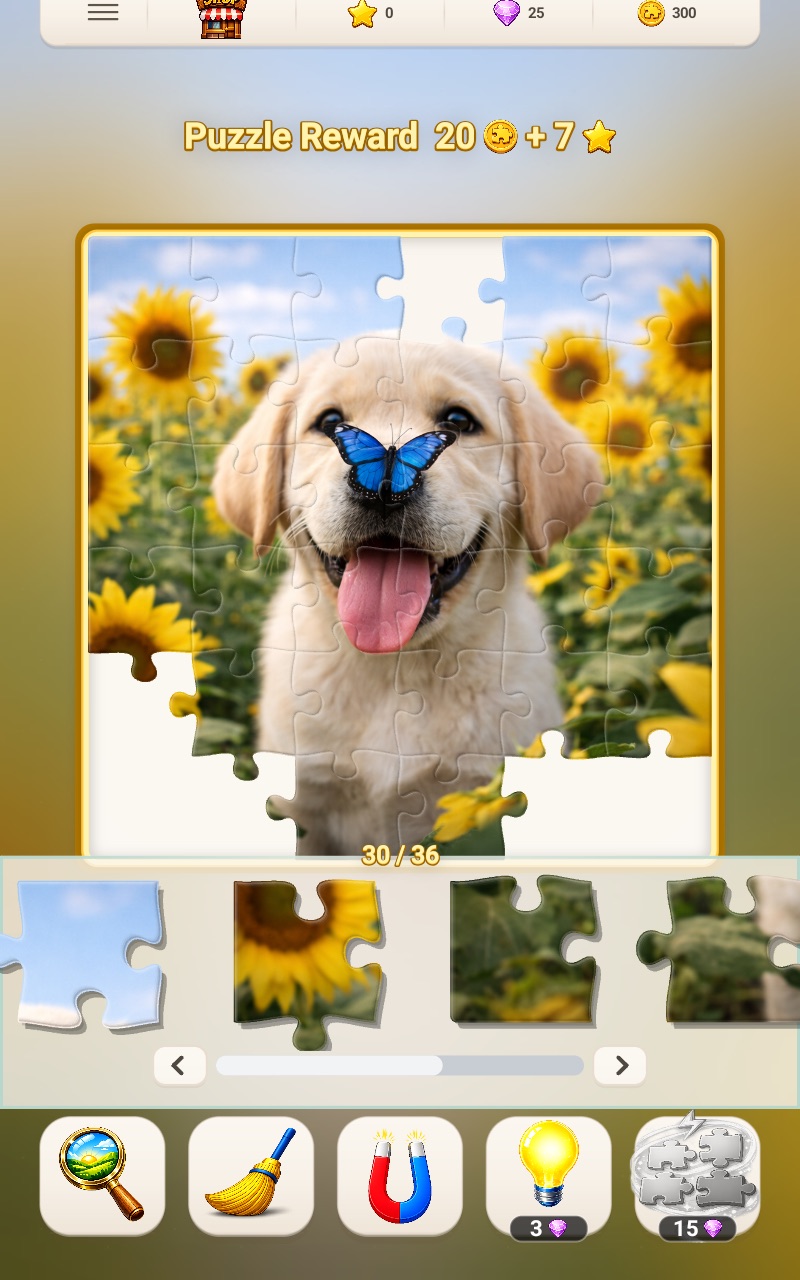
Puppy picture puzzle on an Android tablet
Digital board in Fun Journey

Physical pieces
on a table

Side-by-side

Choose based on the constraint you have today.

QuestionDigital puzzlePhysical puzzle
SetupOpen the game and choose a picture.Clear a surface, open the box and turn pieces face up.
SpaceContained on a phone or tablet screen.Needs a table, board or mat sized for the puzzle.
Tactile feelTouch or drag on glass with visual feedback.Cardboard texture, physical rotation and a real press into place.
PortabilityMany pictures travel on one device.The box and in-progress puzzle need careful transport.
OrganizationScrollable tray and optional sorting tools.Trays, bowls or open table areas become sorting zones.
ChallengeChange piece count without buying another box.Piece count and cut are fixed for that puzzle.
SharingApp-specific modes can support remote or matched play.Several people can gather around the same board naturally.

Choose digital when

You want a puzzle without protecting a table.

A digital jigsaw fits a commute, a sofa or a short break. Pieces cannot fall to the floor, the work remains inside the device and the same picture can be played at different supported counts.

In Fun Journey, Preview, Edge Pieces, Sweep and Hint can answer specific digital-board problems. Daily, Journey, Collection and Battle modes add structures that do not come inside a traditional box.

Choose physical when

The material experience is part of the pleasure.

A physical puzzle turns a table into a place. The thickness of a piece, the sound of a fit and the ability to leave groups spread out are meaningful parts of the activity.

It is also effortless for someone nearby to join. A person can sit down, pick up a piece and contribute without learning an interface or opening an account.

The honest answer

You do not have to choose only one.

Use a physical puzzle when you want the table, the materials and a shared room. Use a digital puzzle when you want immediate setup, portable variety or a piece count that changes with your time. Enjoying one format does not make the other less genuine.

Format questions

The image is familiar; the constraints are different.

Are digital jigsaw pieces shaped like classic puzzle pieces?

They can be. Fun Journey uses familiar tabs and blanks, so shape remains part of the solving clue even though the piece is moved on a screen.

Which format is better for a small space?

A digital puzzle requires only the device. A physical puzzle can also work in a small space when paired with a puzzle board or roll-up mat, but it still needs storage while unfinished.

Can a digital puzzle still be challenging?

Yes. Difficulty depends on piece count, image repetition, color boundaries and the tools you choose to use. Fun Journey supports up to 400 pieces.

Fun Journey game icon

When the table is not available

Carry a picture puzzle on your Android device.

Try Fun Journey on Google Play